
Property Survey Mistakes to Avoid Before Closing
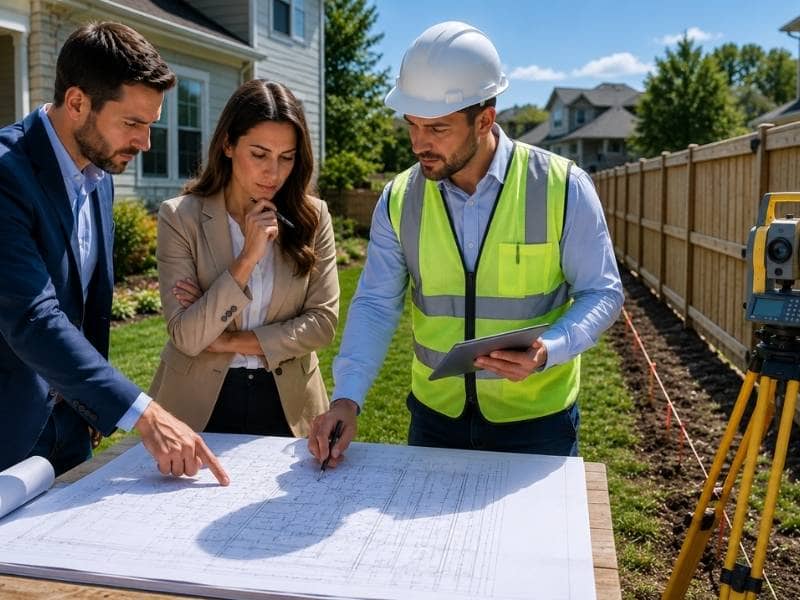
A property survey can reveal a lot about a piece of land before a buyer signs anything. It shows boundaries, improvements, easements, and other details that directly affect what an owner can do with the property. Many buyers skip important steps or make assumptions that lead to expensive surprises after closing. Knowing which mistakes to avoid before the transaction is done can save a lot of time, money, and stress.
Assuming Existing Fences and Markers Define the True Property Lines
Fences and markers are easy to notice during a property walkthrough. They feel like proof of where the boundary sits. The problem is that many were placed without any survey work behind them.
A fence put in by a previous owner may have been based on a rough estimate, a neighbor’s agreement, or simply a guess. Iron pins visible in the ground may come from an older survey that no longer matches current recorded boundaries. Neither one carries legal weight on its own.
A property survey establishes the actual boundary based on recorded deeds, plat maps, and field measurements by a licensed surveyor. That legal line may not match what the fence shows. Buyers who assume the two are the same can end up owning less land than they expected, or facing a removal demand from a neighbor after closing.
Overlooking Encroachments That Could Affect Future Use
An encroachment happens when a structure crosses a property line onto land it doesn’t belong to. It can involve the subject property extending onto a neighbor’s land, or a neighbor’s improvement crossing onto the property being purchased. Either way, the buyer takes on the problem at closing.
Common encroachments that buyers miss include:
- Sheds or storage buildings that sit partially over the property line
- Driveways or paved surfaces that extend onto adjacent parcels
- Retaining walls built past the recorded boundary
- Overhanging structures such as roof eaves or decks
Some encroachments are minor. Others can affect financing, title insurance, or the ability to develop the property later. Finding them before closing gives the buyer real options: negotiate a price reduction, ask the seller to resolve the issue, or walk away. Finding them after closing turns them into the buyer’s problem to fix alone.
Failing to Review Easements and Access Rights Before Closing
Easements give someone else the legal right to use part of a property for a specific purpose. Utility easements allow power, water, and sewer companies to access lines that run across the land. Access easements may give a neighboring property the right to cross the lot to reach a road. Drainage easements can limit what gets built in certain areas.
These rights don’t go away when a property sells. They transfer with the land and bind every future owner. A buyer who doesn’t review easements before closing may plan improvements in an area that turns out to be restricted. They may also find that a portion of the yard gets regularly accessed by a utility crew with full legal authority to be there.
Shared driveway agreements and informal access arrangements deserve the same attention. If a neighbor has been crossing part of the property for years and no recorded easement exists behind that use, the legal status of the arrangement is unclear. Clearing that up before closing avoids disputes down the road.
Relying on Outdated Survey Information Without Verification
An older survey on file isn’t always enough. Properties change over time. Structures get added or removed. Lot lines get adjusted through recorded agreements. New easements get created. Neighboring parcels get subdivided. Any of these changes can make an older survey incomplete or misleading.
Before closing, buyers should check when the survey on file was prepared and whether any changes to the property or the surrounding area have happened since then. A survey from ten or fifteen years ago may not reflect what’s actually on the ground today.
In many transactions, lenders and title companies require a current survey or survey update before issuing a loan or title policy. Even when not required, getting current survey information is one of the most direct ways to avoid taking on conditions the old documents never captured.
Waiting Until After Closing to Address Survey Questions
Survey questions that come up before closing are negotiating opportunities. The same questions after closing become the buyer’s problem to resolve alone.
If a boundary dispute exists with a neighbor, it’s better to know before the deal closes. If an encroachment affects the property, the seller may still be in a position to address it. If an easement limits future development plans, the buyer can factor that into the purchase decision. None of those conversations happen easily once the deed has transferred.
Buyers who wait until after closing often find that the seller has no further obligation to help. Resolving boundary issues, clearing title problems, and negotiating encroachment agreements all take time and cost money. Doing that work before closing, while both parties still have something to gain from completing the transaction, leads to much better outcomes.
Frequently Asked Questions
What is a property survey?
A property survey identifies boundaries, improvements, easements, and other features that affect ownership and land use based on recorded documents and field measurements.
Why is a property survey important before closing?
It helps buyers understand the physical and legal conditions of a property before the transaction is complete, reducing the risk of costly surprises after purchase.
Can a property survey reveal encroachments?
Yes. A survey identifies structures or improvements that cross property lines or interfere with easement areas on or adjacent to the property.
Should buyers rely on an old property survey?
Not without verification. Older surveys may not reflect current conditions, so buyers should confirm whether the information still matches the property as it exists today.
What should buyers review on a property survey before closing?
Boundaries, easements, access rights, encroachments, and any notes or restrictions that could affect how the property can be used in the future.
