
Land Survey for Fence Projects Before Neighbors Object
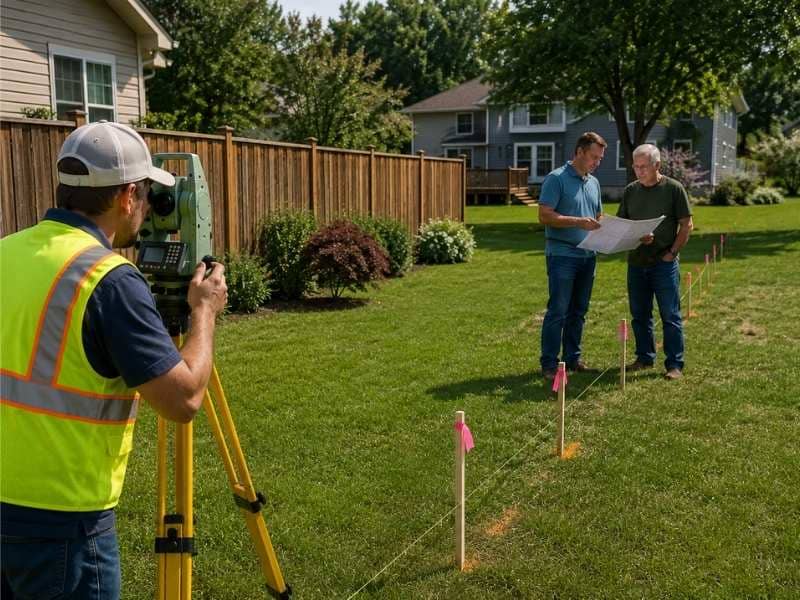
A land survey for fence project can stop a neighbor dispute before it starts. Most objections come from surprise or worry about the line, not real bad blood. When you can show exactly where your land ends, that worry usually fades fast. A survey gives you that proof in clear, marked form. Bring it to the conversation early, and the whole project tends to go smoother.
Why Neighbors Object to a New Fence
Neighbors rarely object just to be difficult. Most worries trace back to a few common fears. The biggest is that the fence will cross onto their land and take space that’s theirs. A surprise plays a role too, since no one likes a wall going up next door with no warning.
Looks and cost stir up the rest. A tall or plain fence can block a view or light the neighbor valued. On a shared line, there’s also the question of who pays for what. Each of these turns into an objection when the line and the plan stay unclear.
How a Land Survey Prevents Most Objections
A land survey answers the question behind most fence disputes: where exactly does the line run. The surveyor marks the true boundary on the ground, so there’s no more guessing. Once both sides can see the stakes, the fear of losing land disappears. That single fact settles a surprising number of arguments before they grow.
The survey also makes your early conversation easier. You can walk the marked line with your neighbor and show them the plan fits inside it. That kind of openness builds trust quickly. People are far less likely to object when they helped check the line themselves.
Sharing the Line: Fences That Sit on the Boundary
Some fences sit right on the property line, which makes them a shared matter. When a fence straddles the boundary, both owners usually share it and the upkeep that comes with it. That setup can be great, but only if both sides agree to it first. A survey shows whether the planned fence lands on the line or fully inside your own.
Cost is where shared fences get touchy. If you both benefit, splitting the bill is common and fair. Still, you can’t assume your neighbor wants to pay or even wants the fence. A clear line plus an honest talk about money keeps a shared fence from becoming a sore spot.
Do Fence Projects Need a Permit?
Many areas require a permit before you build a fence, and the rules vary widely. A permit office often wants to know the height, the material and where the fence will sit. A survey helps you answer that last part with confidence.
A few things commonly trigger permit or rule checks:
- Fence height above a set limit
- Fences near a street corner or sight line
- Fences in front yards versus back yards
- Special rules in neighborhoods with an HOA
- Placement close to the property line or an easement
Checking these before you build saves you from a stop-work order later. A fence that breaks a rule may have to come down, even if your neighbor never objected. The survey and a quick call to the permit office cover both bases at once.
If a Neighbor Still Objects, the Survey Settles It
Sometimes a neighbor objects no matter how careful you are. When that happens, the survey becomes your calm, neutral proof. It shows the line as fact, not opinion, which takes the heat out of the disagreement. From there, you can talk about real options instead of arguing over where the line sits.
Most objections soften once the boundary is clear and the plan respects it. If the fence stays fully on your side, you’re usually within your rights to build. A written note of any agreement you reach adds one more layer of protection. That way a settled issue stays settled, even years later.
Frequently Asked Questions
Can a land survey stop a fence dispute with a neighbor?
It often does. A survey marks the real boundary, so neither side has to guess where the line runs. With that proof in hand, most disagreements lose their heat fast.
Who owns a fence built on the property line?
When a fence sits on the line, both neighbors usually share ownership of it. That often means sharing repairs and costs as well. It’s smart to agree on those terms in writing before the fence goes up.
Do I need my neighbor’s permission to build a fence?
If the fence sits fully on your own land, you usually don’t need permission. A fence right on the shared line is different, since it affects both owners. Either way, telling your neighbor early prevents most problems.
Does a fence project need a permit?
In many areas, yes, especially past a certain height. Rules cover things like placement, materials and corner sight lines. Check with your local permit office before you start to be sure.
Should I tell my neighbor before I build a fence?
Yes, a heads-up almost always helps. It avoids the surprise that turns into an objection later. Sharing your marked line and plan makes the talk easy and keeps things friendly.
