
Why an Elevation Certificate Can Matter After Heavy Rain Raises Flood Questions
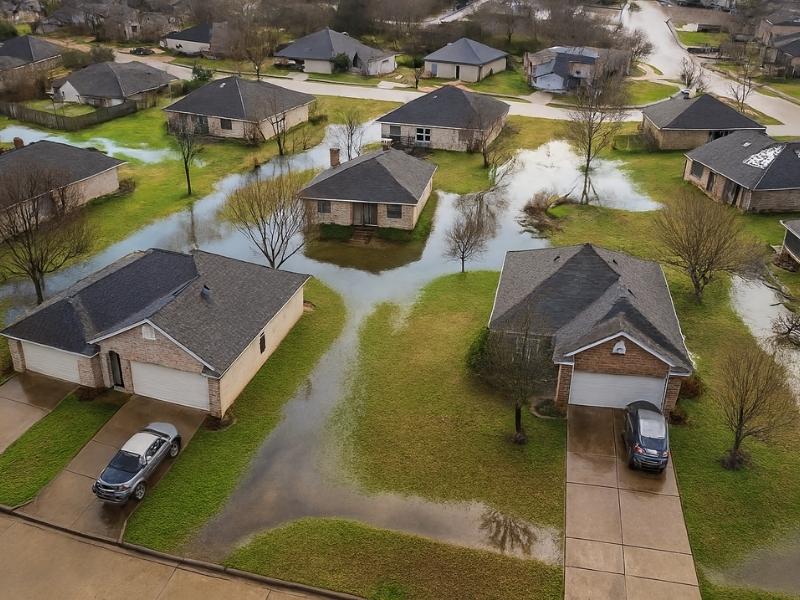
An Elevation Certificate is a paper made by a land surveyor that shows how high a building sits above the flood level in its area. After heavy rain causes floods, people start asking a lot of questions about property. Homeowners want to know if their flood data is still right. Buyers ask sellers to show proof of how high a home sits. Banks look more closely at flood papers before saying yes to a loan. In all of these cases, an Elevation Certificate is often the paper that gives the clearest answers.
How an Elevation Certificate Affects a Sale When a Home Has Flood History
When a home has had flood damage before, buyers want to know two things: did it flood, and why. An Elevation Certificate helps answer the second question. It shows how high the lowest part of the home sits compared to the flood level set for that area. If the home sits at or below that level, the certificate shows why it was more likely to flood during a big rain.
Sellers who have this paper ready can show buyers real facts instead of making them guess. A home that flooded because it sits too low is different from one that flooded because a drain was blocked or the rain was much heavier than normal. The certificate shows those two cases apart with real numbers, which helps buyers make better choices.
How Elevation Data Compares Across Neighboring Properties After Flooding
After a flood, many homeowners notice that one house on their street took on water while the house next door stayed dry. That can come down to how high each home sits. Even a few inches can decide which home floods first when water rises. An Elevation Certificate records that height with real field measurements.
When a neighborhood is recovering from a flood, homeowners who want to know why their home did or did not flood can look at their elevation certificate data. That kind of detail does not show up on a FEMA flood map, which covers big areas and not single homes. The certificate gives one number for one home that shows exactly how it sits compared to the flood level. That is more helpful than a zone label when trying to understand what happened on a specific street.
How Lenders Apply Elevation Certificate Data After a Disaster Declaration
When the government declares a disaster after a big flood, banks look more carefully at flood papers for homes in that area. A loan backed by the federal government on a home in a high-risk flood zone requires flood insurance. After a disaster is declared, some banks ask for a new elevation certificate to make sure the old one still shows the right information.
This matters because floods can change things around a home. If soil was washed away from around the building, or if the ground near the home shifted during the flood, the numbers on an old certificate may no longer be right. A bank that sees an old certificate on a home in a disaster area may ask for a new one before moving forward with the loan. Having a current certificate ready before a flood happens removes that extra step from the recovery process.
How Homeowners Use Elevation Certificates to Dispute Incorrect Insurance Rates
After a flood, some homeowners get a flood insurance bill that seems too high and does not match their real elevation data. Mistakes in insurance rates do happen. When they do, an Elevation Certificate is the paper that helps fix the problem.
FEMA’s flood insurance system uses the gap between a home’s lowest floor and the flood level to set the rate. A home that sits two feet above the flood level should cost less to insure than one that sits right at or below it. When an insurance company uses wrong elevation data, the rate may be set too high. A homeowner who has a current Elevation Certificate can show the right numbers to the insurance company and ask them to fix the rate. Without this paper, it is much harder to prove the rate is wrong.
What Happens When an Elevation Certificate Is Missing During Flood Recovery Transactions
Home sales that happen during flood recovery can move fast, and missing papers can slow things down at the worst time. When a buyer’s bank needs an elevation certificate to approve a loan and the seller does not have one, the sale has to stop while one gets made.
Getting an elevation certificate during a recovery period can take longer than normal. More people are asking for them at the same time, so surveyors are very busy. A seller who does not have a current certificate before putting the home up for sale may find that the buyer’s bank delays closing by several weeks. Having the certificate ready before listing the home removes that problem and keeps the sale on track.
Frequently Asked Questions
What does an Elevation Certificate show?
An Elevation Certificate shows how high a building’s lowest floor sits compared to the flood level set by FEMA for that area. It also shows which flood zone the property is in and details about the building that insurance agents and banks use to check flood risk.
Who needs an Elevation Certificate?
Homeowners in or near a high-risk flood zone most often need one. After a flood, homeowners may also need one to fix a wrong insurance rate, meet a bank’s loan requirement during a recovery sale, or show a buyer the real elevation data before closing.
Why are people worried about flooding after heavy rain?
Heavy rain can raise water levels faster than drains can handle, especially in low areas. Even a few inches of water inside a home can cause big damage to floors, walls, and systems. After a major flood, homeowners and buyers want to know if a property’s height puts it at risk of flooding again before they make any big decisions.
Can an Elevation Certificate change insurance prices?
Yes. Flood insurance rates depend in part on how high the lowest floor of a building sits compared to the flood level. A home that sits well above the flood level may cost less to insure than one that sits right at or below it. A homeowner with a current Elevation Certificate can use it to make sure their rate is based on real numbers and not old or wrong data.
Who makes an Elevation Certificate?
A licensed land surveyor makes an Elevation Certificate. The surveyor measures the height of the building’s lowest floor and other key spots on the property. Then they fill out the official FEMA form with those numbers. The finished paper has the surveyor’s seal and signature, which makes it valid for insurance, loan, and buyer use.
