
Why More Buyers Are Asking for an ALTA Survey in 2026
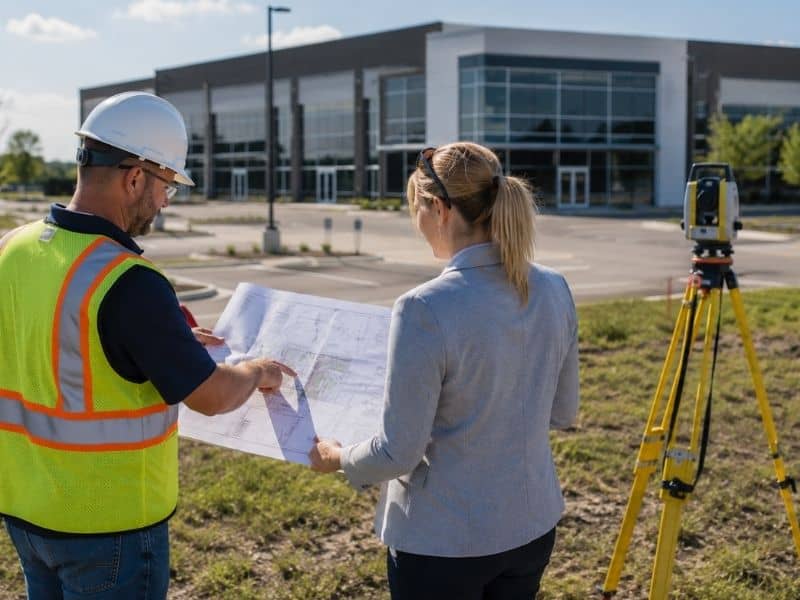
Commercial property deals look exciting from the outside. A buyer finds a good location, the numbers seem strong, and everyone wants to close quickly. However, many buyers now slow down before signing final papers.
Why?
Because small land problems can turn into expensive surprises later.
That is one reason more buyers in 2026 are asking for an ALTA survey before closing on commercial property. They want a better look at the land before money changes hands.
In the past, some buyers skipped extra property checks to save time. Today, that mindset has changed. Prices are higher, development costs keep rising, and lenders want fewer risks. As a result, buyers now pay closer attention to property details that once went unnoticed.
Why Commercial Buyers Are Paying Closer Attention to ALTA Surveys in 2026
Commercial buyers are ordering an ALTA survey more often in 2026 because lenders, title companies, and investors want fewer property risks before closing. An ALTA survey helps identify easements, access problems, encroachments, and boundary concerns early, which helps buyers avoid delays, unexpected costs, and legal disputes after purchasing commercial property.
Commercial growth around Ringgold and nearby areas continues to bring more attention to property use. Buyers want land that supports future plans, not land filled with hidden limits.
At the same time, lenders have become more careful.
Banks and title companies now look closely at commercial deals before approving funding. In many cases, lenders request an ALTA survey before releasing funds for larger commercial transactions.
This does not happen because buyers expect problems. Instead, they want confidence before making a major investment.
That confidence matters even more when the property may support:
- future expansion
- additional parking
- new construction
- utility upgrades
- redevelopment plans
Even a small land issue can affect those goals.
What an ALTA Survey Shows Before a Commercial Closing
An ALTA survey shows important property details before a commercial real estate closing. It may identify boundaries, easements, access points, parking areas, utility locations, encroachments, and recorded restrictions. Buyers use this information to confirm the property matches legal records and supports future development or business plans.
An ALTA survey gives commercial buyers a detailed look at the property. It combines field work with title information so buyers can understand how the land works in real life.
An ALTA survey follows standards created by the American Land Title Association (ALTA) and the National Society of Professional Surveyors (NSPS). It does more than identify property lines. It also compares title records with existing site conditions.
The survey may show:
- property boundaries
- buildings and structures
- parking areas
- access points
- utility easements
- shared driveways
- encroachments
- recorded property restrictions
This information helps buyers see whether the property matches the legal records connected to the sale.
That matters because old documents do not always match current conditions.
For example, a parking lot may extend farther than expected. A utility line may run through an area planned for future building. Sometimes access roads also create legal questions between neighboring properties.
Without an ALTA survey, buyers may not notice these problems until much later.
Why Easements Create Problems for Commercial Buyers
Easements matter because they can limit how commercial property owners use their land. Utility easements, shared access areas, and drainage easements may restrict future building plans, parking expansion, or redevelopment. An ALTA survey helps buyers identify these issues before closing so they can avoid costly surprises later.
Easements create some of the biggest concerns in commercial real estate. In fact, easements and encroachments remain among the most common causes of commercial property disputes.
Many buyers hear the word but do not fully understand what it means. An easement gives another party limited rights to use part of the property.
Utility Easements
Utility companies often use easements for:
- power lines
- sewer systems
- underground pipes
- drainage systems
However, these easements can also affect future development.
For example, a buyer may plan to expand a building behind an existing structure. Later, they learn a utility easement runs directly through that area.
Now the project changes completely.
Shared Access Easements
Some commercial properties share driveways or entrances with nearby businesses. That may not seem like a problem at first. However, disagreements sometimes appear after ownership changes.
As a result, buyers now look more carefully at ALTA surveys before closing.
How Access Problems Can Affect Commercial Property Value
Access issues also create major headaches for commercial buyers.
A property may physically connect to a road, yet legal access may not fully exist. In some cases, neighboring owners share entrances or driveways without clear agreements.
That situation can create problems later if ownership changes.
Commercial buyers want stable access because customers, trucks, employees, and emergency vehicles all depend on it.
If access becomes restricted, the property may lose value.
Therefore, many buyers now use ALTA surveys to confirm how access works before finalizing the deal.
Why Encroachments Delay Commercial Closings
Yes. An ALTA survey can help prevent closing delays by identifying encroachments, access concerns, boundary conflicts, and title issues before final paperwork is signed. Buyers, lenders, title companies, and attorneys often review the survey together so problems can be resolved earlier in the commercial transaction process.
Encroachments happen when something crosses a property line.
This could include:
- fences crossing property lines
- parking lots extending onto nearby land
- retaining walls
- signage placement
- storage areas
At first, these problems may seem minor. However, they can create serious legal and financial issues during commercial transactions.
For example, a neighboring business may use part of the property for parking. If the land changes ownership, both sides may suddenly disagree about boundaries.
That can delay closing while lawyers, surveyors, lenders, and title companies review the issue.
Naturally, buyers want to avoid those delays.
As a result, many now request ALTA surveys early in the process instead of waiting until the last minute.
How an ALTA Survey Helps Buyers Negotiate Before Closing
An ALTA survey also gives buyers stronger information during negotiations.
If the survey reveals a problem, buyers may:
- request corrections
- renegotiate pricing
- ask sellers to resolve disputes
- adjust future development plans
This helps buyers make smarter decisions before closing.
Without clear survey information, buyers often negotiate blindly.
That creates risk nobody wants in a large commercial purchase.
Why More Buyers Are Ordering an ALTA Survey Earlier
Some buyers still try to skip detailed surveys to save money upfront. However, many later spend far more fixing problems after closing.
A hidden easement can delay construction permits. A boundary issue can affect financing. Shared access disputes can hurt business operations.
These problems often become expensive because they appear after contracts finish.
That is why more commercial buyers in 2026 choose to investigate the property carefully before signing final papers.
They know prevention costs less than repair.
